Why Carbon Reduction Starts with Great Interior Design

Interior design shapes the places where we live, work and spend our time, so designers have to weigh its environmental impact. Carbon emissions are one of the biggest issues design agencies should address.
It starts with materials. Reclaimed wood, bamboo and low-VOC paints lower a project's footprint and improve indoor air quality at the same time.
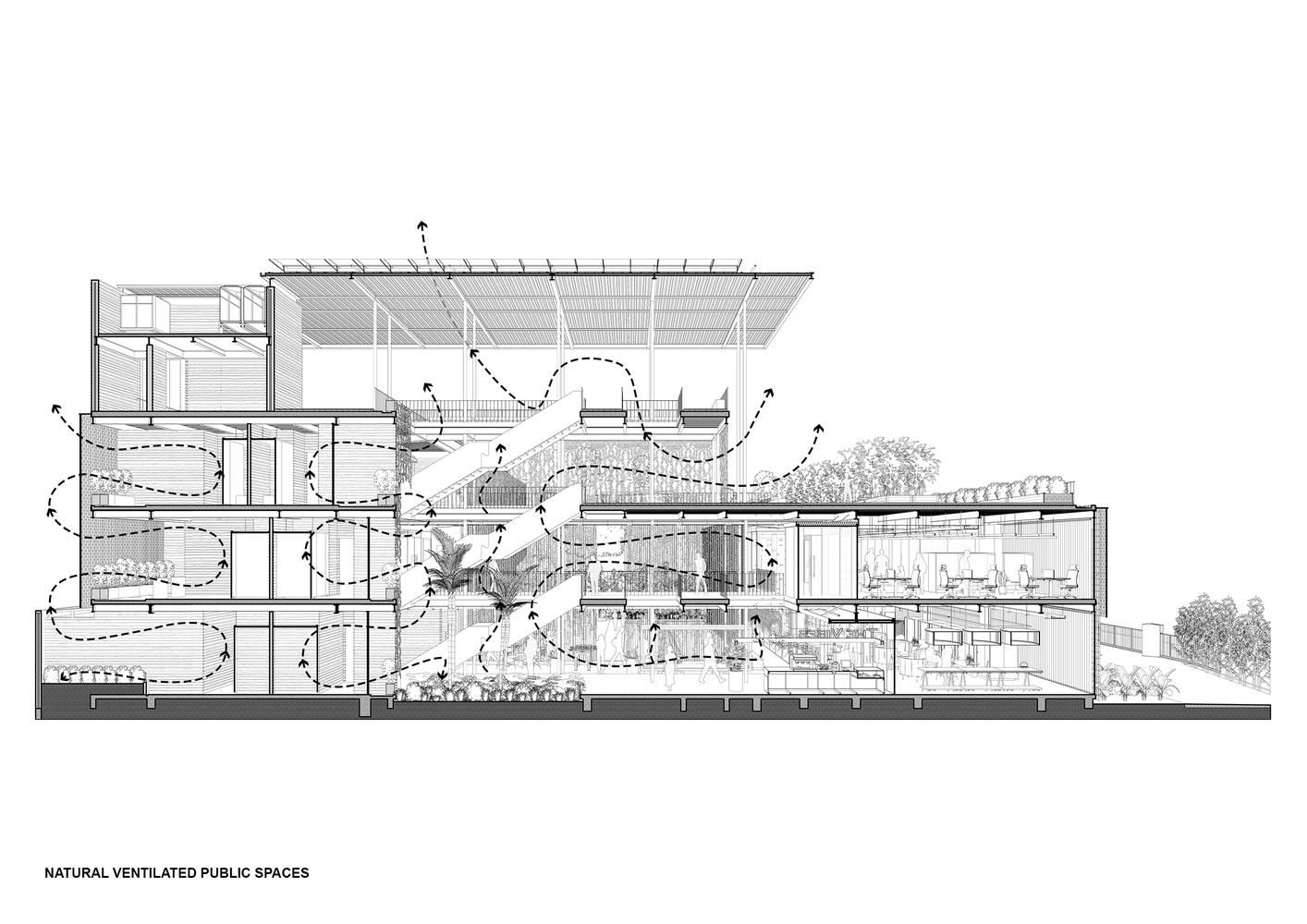
Energy efficiency should guide every design: daylighting, natural ventilation, LED lighting and efficient appliances and HVAC systems cut emissions and make buildings more comfortable and healthier.
Using less floor area, or designing multifunctional spaces, shrinks a building's footprint further. And agencies can cut their own emissions too, with electric or hybrid vehicles, renewable power and recycling and waste reduction in the office.
A holistic approach lets us create attractive, functional spaces that benefit the environment and set an example. For us, reducing emissions is both an environmental priority and part of our social responsibility.
Our approach
Sustainable Interior Design?
Find out how we reduce and offset the carbon footprint of our projects, from material choices to the way we plan and deliver each workspace.
Our Approach
About RHV Group
From concept to ready-to-use workspaces
RHV Group is a Munich-based boutique interior design agency helping businesses across the D-A-CH region create sustainable, people-centred workplaces.
We bring together design, project management, trusted specialists and long-term aftercare to make spaces work better for the people who use them.
Meet RHV GroupPlanning a new workplace?
Let’s talk about the right space, partners and next steps for your project.
Keep exploring
More insights and stories
Discover more ideas, events and partnerships from RHV Group.